Building a house in El Salvador while living in the United States is no longer a risky adventure or a distant dream. With modern digital tools, modernized legal processes, and professional firms equipped to serve the diaspora, thousands of Salvadorans in the USA are building the home they always wanted — without having to travel until the day their house is finished.
This guide was written for you: the Salvadoran working hard in Los Angeles, Houston, Washington DC, New York, Maryland, Virginia, or any other state in the USA, who wants to invest savings, remittances, or part of a retirement fund into building a home in the homeland. You will find here the complete process, real current costs, how to handle payments from the United States, how to avoid scams, and what to expect at every stage.
Why 2026 Is the Best Time to Build in El Salvador
El Salvador is going through an unprecedented real estate transformation. Security has dramatically improved over the last few years, which has driven up property values and attracted foreign investment. The construction sector projects investments between $3.5 and $4 billion for 2026, with more than 96 high-rise developments underway and a very active residential market.
For the Salvadoran diaspora in the United States, this means three concrete things. First, your property will appreciate over time — building today is an investment, not an expense. Second, there are more professionals prepared to serve international clients using modern technology: tracking portals, video calls, 360° virtual tours, and digital progress updates. And third, legal processes are more modernized than ever: a special power of attorney notarized at a Salvadoran consulate in the USA allows you to authorize a legal representative in El Salvador without ever traveling.
The Process, Step by Step
Step 1: Define Your Vision and Budget (2 weeks)
Before contacting any architect, ask yourself the fundamental questions. How many bedrooms do you need? Is this for when you retire, for your family living in El Salvador, as an investment property to rent out, or as a vacation home? Where do you want to build: San Salvador, Santa Tecla, the coast, your hometown? What is the maximum budget you can dedicate, and over what timeline?
A practical rule: split your total budget into three parts. Roughly 10% for design and permits, 80% for construction (materials + labor), and the remaining 10% as a reserve for unexpected costs. If a serious architect tells you your budget is not enough, believe them — it is better to adjust expectations at the beginning than to end up with an unfinished project.
Step 2: Land — Purchase or Verification (1 to 3 months)
If you do not yet own land, this is the first obstacle. Do not buy land without professional guidance: in El Salvador there are cases of parcels with title problems, without water or electricity feasibility, in zones with construction restrictions, or with hidden municipal debts.
What must be verified before buying: a clean title at the Property Registry, an up-to-date extracted certification, feasibility of basic services (water, electricity, drainage), the official construction line, the land use classification per OPAMSS or the corresponding municipality, and that there are no accumulated municipal debts. A serious firm like NOVA ARQUITECTOS can perform this legal verification as part of the service before you pay anything.
If you already have land — inherited or purchased years ago — the same process applies: everything must be confirmed to be in order before designing.
Step 3: Choose the Right Architecture and Construction Firm (2 to 4 weeks)
This is the most important step and where most Salvadorans in the USA make costly mistakes. The temptation to hire a cousin's neighbor or the construction foreman recommended by a relative is strong — and sometimes it works out — but when it goes wrong, the consequences are devastating: abandoned half-built houses, poor-quality materials that fall apart in two years, or worse, money that simply disappears.
What you should look for in a professional firm: a portfolio of completed projects you can verify (not just pretty renders), real client reviews on Google or social media, a physical address and office where you can send a trusted family member, a formal contract with all stages and payments structured by milestones, the ability to communicate in English if you prefer, and a digital project tracking system that lets you see progress without depending on sporadic WhatsApp messages.
Always get at least three comparable proposals. The cheapest is not the best, but neither is the most expensive. Evaluate the price, clarity of the contract, transparency of the process, and chemistry with the team. You will be working with these people for a year or more — trust is everything.
Step 4: Design and Blueprints (1 to 2 months)
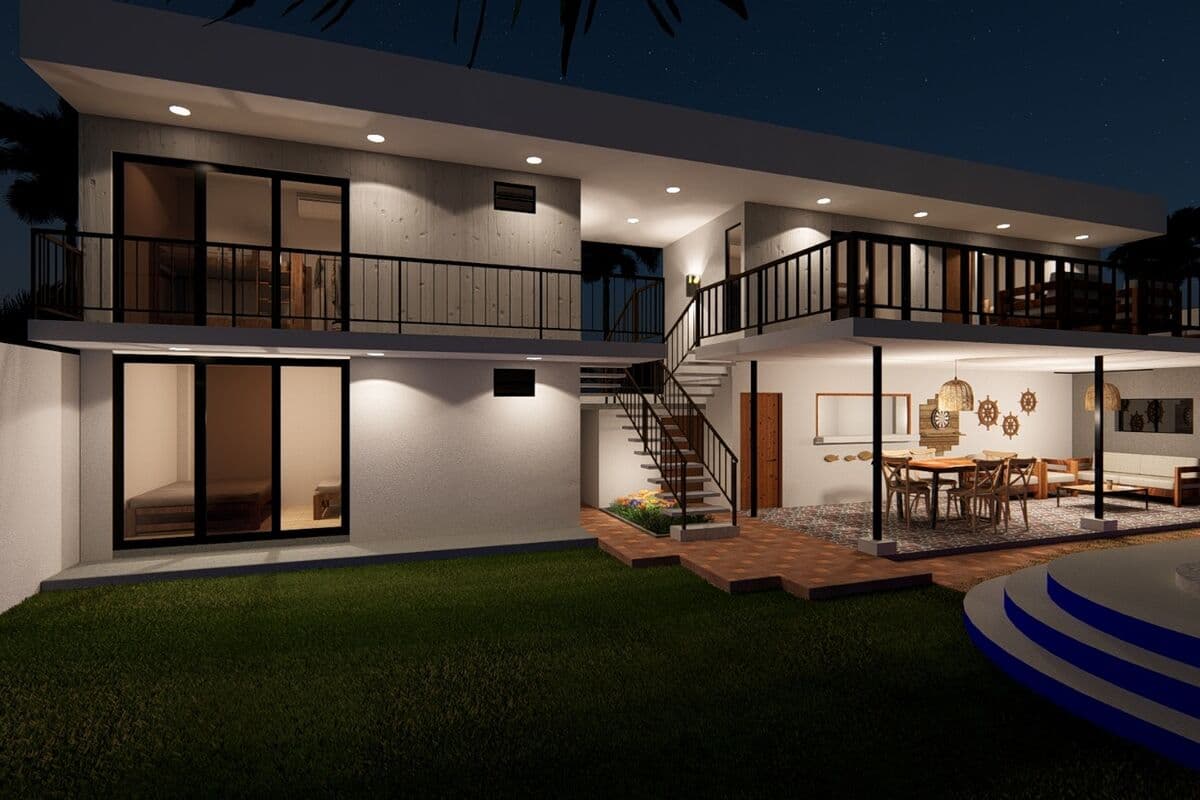
Once the firm is hired, the creative stage begins. A good design process includes at least an initial Zoom meeting where you explain your vision, two or three conceptual proposals with initial 3D renders, iterations until you are satisfied, and final delivery of architectural, structural, electrical, and plumbing plans along with photorealistic renders and ideally a 360° virtual tour you can explore from your phone in the USA.
At this stage, define absolutely everything you can before construction starts. Every change during the build costs money and time. Finishes, materials, windows, floors, bathrooms, kitchen: have everything selected and quoted before the first block is laid.
Step 5: OPAMSS Permits and Legal Paperwork
In the San Salvador metropolitan area, construction permits are processed through OPAMSS (Metropolitan Area Planning Office). Outside of AMSS, each municipality has its own process. Typical required documents include: architectural plans sealed by a registered architect, a soil study, service feasibility from ANDA (water) and the corresponding electric utility, payment of taxes and municipal fees, and the land title deed.
A good architecture firm handles this entire process for you. You only need to sign a notarized power of attorney, which you can do at any Salvadoran consulate in the USA and mail back. You do not have to travel for any legal paperwork.
Step 6: Payments from the USA — The Part That Worries You Most
This is the question that keeps ringing in your head: how do I send the money without losing it or getting scammed? There are three main methods, and all three work well when used with a serious firm.
International wire transfer: This is the most commonly used method for large projects. From your US bank you send money directly to the firm's business account in El Salvador. Fees are typically $30 to $50 per transfer, the money arrives in 1 to 3 business days, and you get a formal receipt for every payment. It is traceable and legal.
Remittance companies for smaller amounts: For smaller payments like design deposits or permit fees, companies like Uniteller, MoneyGram, or Western Union work, although fees are higher than a wire transfer when the amount is large.
Personal bank account in El Salvador: If you plan to make many payments, you can open a bank account in El Salvador in your own name. This requires either traveling once to sign in person, or naming a legal attorney-in-fact to do it for you. Once the account is open, you transfer money from your US account to your Salvadoran account and pay locally from there.
The most important rule: never pay the total amount upfront. Payments must be structured by project milestones. A typical schedule is: 10% upon contract signing, 20% upon design and permit approval, 30% upon completing the gray structure (foundations, walls, slabs), 20% upon completing finishes, 10% upon installing carpentry and windows, 10% upon receiving the finished house.
Step 7: Construction with Remote Monitoring (5 to 9 months)
This is where modern technology completely changes the experience of building from abroad. A professional firm should offer you:
A weekly report with photos and videos of the work, along with the project documents. A weekly video call (15 to 30 minutes) where the architect or project manager shows you the state of the work live. Written reports at the end of each phase with before/after photos. Site walkthroughs by video call or recorded video at key milestones (after the gray structure, after finishes). And the option to send a trusted family member for surprise visits whenever you want.
If any firm does not offer this level of transparency, be suspicious. In 2026 there is no technical excuse to build blindly.
Step 8: Delivery and Keys (1 to 2 weeks)
When the house is ready, there is a formal delivery where every detail is reviewed. This delivery can be done by a family member if you prefer to wait before traveling, but ideally you are there yourself when possible. Final documents are signed, keys are handed over, manuals for installed equipment are provided, material warranties are delivered, and the improvement is registered at the Property Registry.
Many diaspora clients schedule their first trip for this delivery and turn the moment into a family celebration. It is an experience worth living in person.
How Much Does It Cost to Build in El Salvador in 2026
Real current costs for residential grey structure ("obra gris" — the house built and ready to receive finishes, finishes not included) vary based on project complexity:
Economy grey structure ($350 – $500 per m²): Standard specification, functional and safe. The grey structure of an 80 m² house would cost between $28,000 and $40,000. (Note: 1 m² ≈ 10.76 sq ft, so 80 m² is roughly 861 sq ft.)
Mid-range grey structure ($500 – $800 per m²): Greater structural complexity, more levels or longer spans. The grey structure of a 120 m² house (about 1,290 sq ft) would cost between $60,000 and $96,000.
High-end grey structure ($800 – $1,200+ per m²): High structural or design demands. The grey structure of a 150 m² house (about 1,615 sq ft) would cost between $120,000 and $180,000.
On top of these costs, add: the finishes (flooring, paint, carpentry, fixtures, kitchen), quoted separately based on what you choose; the land (varies enormously by location, from $40 per square vara in rural areas up to $500+ per vara in exclusive San Salvador colonies), architectural design (5 to 8% of construction cost), permits and paperwork (3 to 5%), and a reserve for unexpected costs (5 to 10%).
For a quick personalized estimate, you can use our budget calculator at novarquitectos.com/calculadora.
Total Timeline
From start to finish, the average time to build a house in El Salvador is:
- ▸Project definition and contract: 2 to 4 weeks
- ▸Architectural design: 4 to 8 weeks
- ▸OPAMSS permits and paperwork: set by the authority, not by the architecture firm
- ▸Construction: 5 to 9 months depending on size and complexity
- ▸Final finishes and delivery: 2 to 4 weeks
The overall timeline depends mostly on the permit stage, which is not controlled by the architecture firm and usually takes longer than people expect. That is why we do not commit to a fixed timeline up front: once your project is defined, we give you an estimated schedule for your specific case.
Common Mistakes to Avoid
Paying the full amount upfront. No matter how good the reference, never pay more than 10 or 20% at the start. Payments are structured by milestones.
Not signing a formal contract. A verbal agreement or WhatsApp conversation is not enough. Demand a notarized contract with clear scope, deadlines, payments, and penalties.
Choosing the cheapest without verification. A below-market price is a red flag. Ask what is included and what is not. Low budgets often exclude finishes, installations, or realistic timelines.
Not verifying the firm before hiring. Search on Google, check reviews, ask to see completed projects, talk to previous clients. A serious firm has nothing to hide.
Relying only on family members to supervise. Your well-meaning cousin is not an engineer or architect. Make sure the firm has its own professional quality control — your family can help, but they do not replace a technical supervisor.
Changing the design during construction. Every change costs money. Define everything up front and stick to the plan unless absolutely necessary.
Not getting construction insurance. On large projects, liability and all-risk insurance is essential. Ask if the firm includes it.
How to Avoid Scams
Stories of Salvadorans in the USA who lost money on construction projects are real and they exist. Almost all share the same patterns: informal agreements, full upfront payments, no contract, unverifiable contractor experience, zero remote progress monitoring. Avoiding these patterns eliminates about 95% of the risk.
Definitive red flags: pressure to pay everything quickly, refusal to sign a formal contract, no verifiable completed projects, no digital presence (Google Maps, Instagram, reviews), suspiciously low prices, unrealistic timelines promised (an entire house in 3 months), no transparency about how the money is being used.
Tax and Legal Advantages for the Diaspora
El Salvador offers several advantages for Salvadorans living abroad: there are no construction taxes as such (only municipal permit fees), VAT is already included in materials and labor (not an extra), properties in El Salvador do not pay annual property tax like in the USA (only very low taxes on high-value real estate), and inheritance processes are simpler when the property stays within the nuclear family.
Additionally, your house in El Salvador can be a source of income if you rent it out when you are not using it, especially in tourist areas like La Libertad or El Tunco where vacation rentals are growing strong.
The Next Step
If you made it this far, it is because the idea of building your house in El Salvador from the USA is no longer a fantasy and is starting to become a real project. The next step is simple: an initial conversation with no commitment.
At NOVA ARQUITECTOS we have experience serving Salvadoran clients in California, Texas, Virginia, Maryland, New York, New Jersey, DC, Massachusetts, Florida, and beyond. We work with a 100% remote process featuring photo and video progress reports, video calls, 360° virtual tours, and a bilingual team. You can visit our diaspora page at novarquitectos.com/for-salvadorans-in-usa to see testimonials from clients who already built with us from the United States, or message us directly on WhatsApp for a free 30-minute consultation.
Building your home in El Salvador is one of the best decisions you can make: for your family, for your future retirement, for your roots, and as an investment. With the right team and a proper process, it is more accessible than you imagine.
Ready to start? [Learn more about our service for the diaspora](/for-salvadorans-in-usa) or [message us directly on WhatsApp](https://wa.me/50374227887).
Leer este artículo en español: [Cómo construir tu casa en El Salvador viviendo en USA: guía completa 2026](/blog/construir-casa-en-el-salvador-desde-usa-guia-2026)
¿Listo para empezar tu proyecto?
En NOVA ARQUITECTOS diseñamos, construimos y entregamos proyectos arquitectónicos en El Salvador con un equipo profesional y procesos modernos. Consulta gratis sin compromiso.
Sigue leyendo
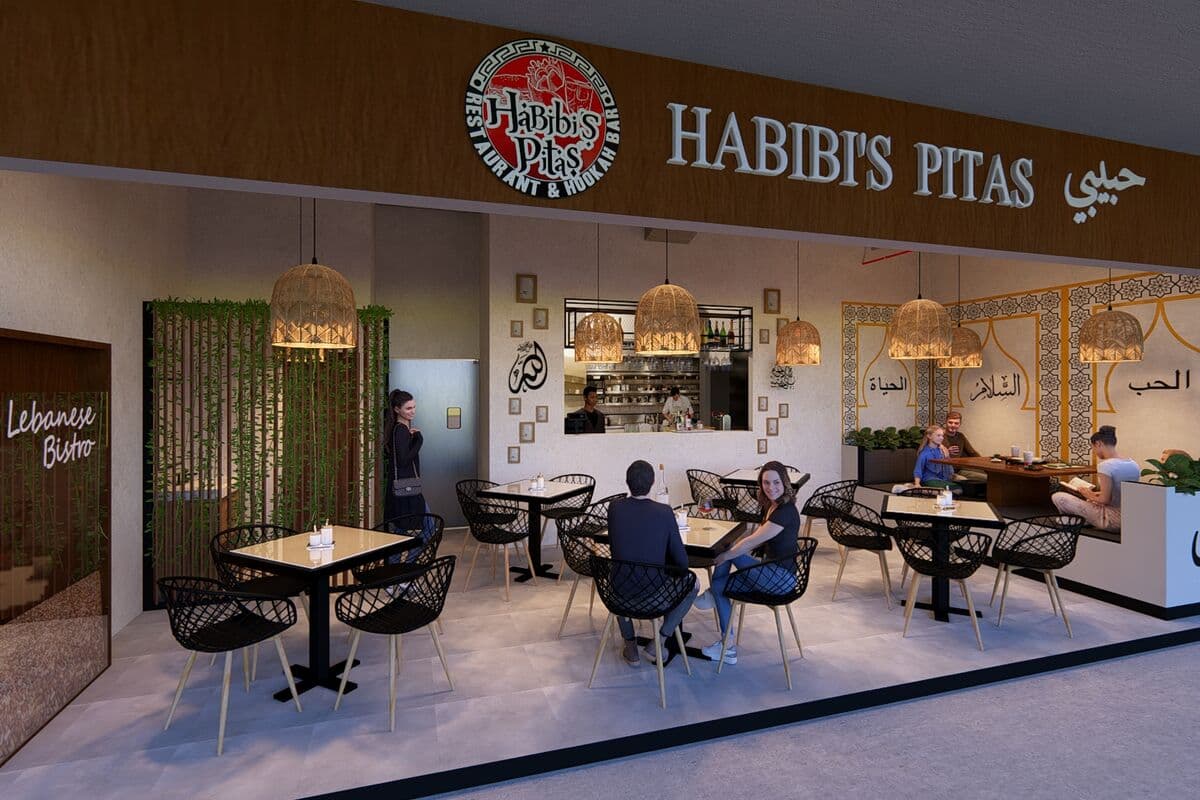
10 Mistakes Salvadorans in the USA Make When Building in El Salvador (And How to Avoid Them)
The 10 most common and costly mistakes Salvadorans in the USA make when building a home in El Salvador — and how to avoid them. Based on real 2026 cases.
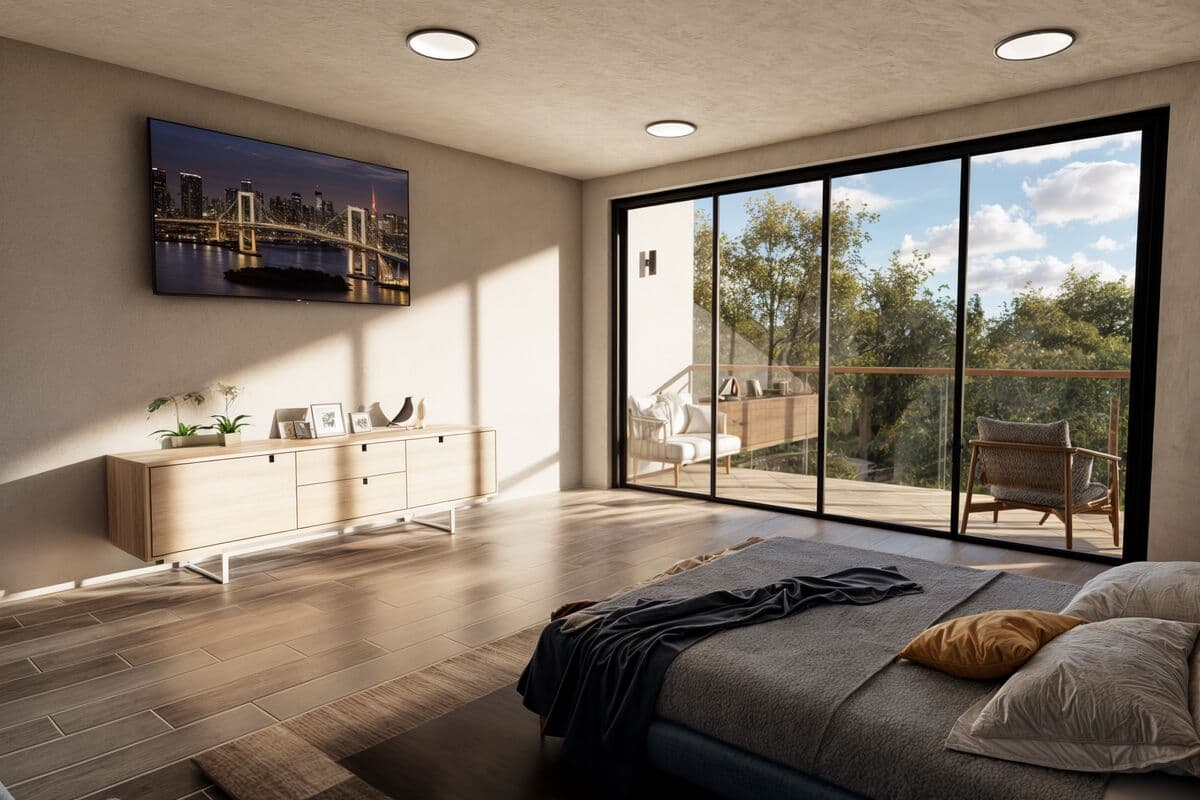
Inteligencia artificial en arquitectura: cómo la IA está transformando el diseño y la construcción
La IA ya no es el futuro de la arquitectura — es el presente. Descubra cómo herramientas de inteligencia artificial están cambiando el diseño, los cálculos, los renders y la gestión de proyectos arquitectónicos.
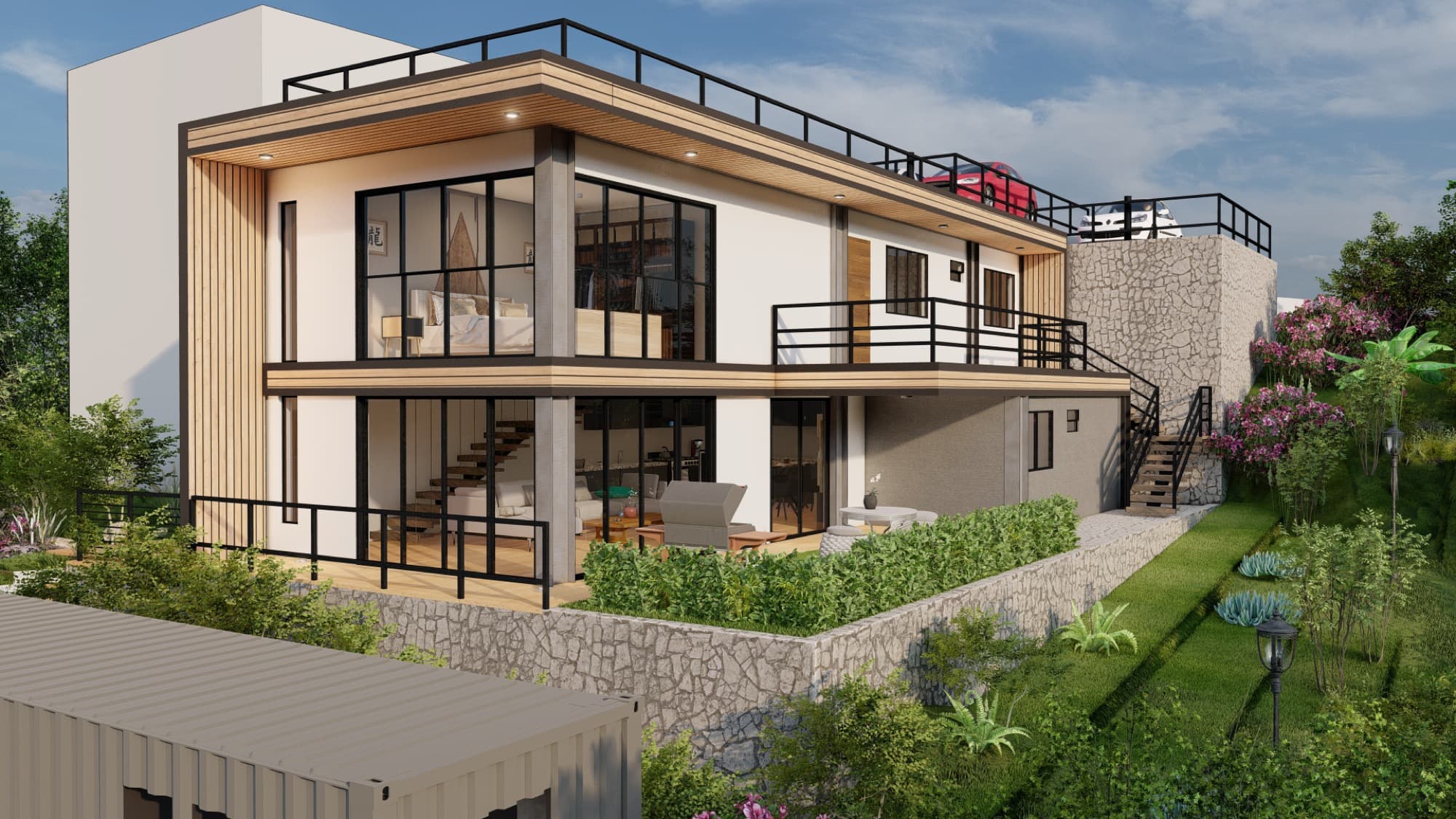
Sobrecostos en construcción: por qué tu presupuesto se dispara en El Salvador (y cómo evitarlo)
Las obras en El Salvador suelen terminar 20–30% sobre lo presupuestado. Conoce por qué se disparan los costos y cómo blindar tu presupuesto antes de firmar.